Removal Companies in Shepherds Bush

Removal companies in Shepherds Bush help households and businesses move belongings with a plan that suits the property, the access and the amount to be moved. Our removal services cover full and part-load moves, careful loading, transport and unloading, with practical support for furniture, boxes and mixed household contents. If you need a move arranged around a tight hallway, a top-floor flat or an office that must stay organised, the work starts with choosing the right approach rather than simply sending a van.
We also handle related moving tasks such as home moves, office removals and smaller moves where a simpler vehicle and crew are enough. The aim is to keep the process straightforward: protect the items that need protection, move them in a sensible order and keep the day structured from the first lift to the final placement. That makes the service useful whether you are moving a single room or a fuller property.
For a move in Shepherds Bush, the most helpful quotation is usually based on the volume to be moved, the type of items involved and the access at both ends. If you are comparing options, think about what needs dismantling, what can travel assembled and whether packing support would save time. Clear details make it easier to price accurately, and they also help choose a vehicle and team that fit the job rather than forcing a compromise.
House moves planned around the property, access and contents
Household removals are rarely just about transport. A good plan considers where larger items will come from, how fragile belongings should be handled and what can be loaded first to keep the move efficient. We can support full property moves as well as smaller domestic clearances where only selected rooms or items are going. The work is aimed at keeping everything orderly so that furniture, boxes and personal effects arrive in the right condition and sequence.
Where a property contains awkward or heavy pieces, the route through the building matters as much as the vehicle outside. Sofas, wardrobes, white goods and dining sets can all need a different approach. In some cases a sensible move may include dismantling and reassembly, while in others it is better to keep items intact and protect the route instead. If you are planning a domestic move, house removals can be matched to the layout and the amount of furniture involved.
Useful preparation is simple and specific. Label boxes by room, separate essentials for the first day and keep access clear where possible. If you are arranging a move from a flat or a terraced house, note parking limits, staircases, shared entrances and any items that need two people to lift. You do not need to over-explain every detail, but a concise list of the main pieces helps the move team bring the right approach from the outset.
Why the right moving vehicle matters

The vehicle is part of the service, not an afterthought. A van that is too small can create unnecessary trips, while one that is far larger than needed may be awkward in a busy street or tight access point. Matching the transport to the move helps keep costs and handling sensible. For some customers, a compact load is best suited to a moving van; for others, a larger setup is more practical because it allows furniture and boxes to travel together.
Vehicle choice also affects how items are packed and secured. The load has to sit safely, with heavier items anchored properly and more delicate pieces protected from movement. We can discuss the balance between speed and careful handling, particularly when there are mixed items such as boxes, flat-pack furniture, lamps, mirrors and kitchen equipment. The right vehicle supports the rest of the job by making loading and unloading smoother and more controlled.
Some moves only need a straightforward man and van arrangement, especially when the load is moderate and access is manageable. Other moves need more space, a second pair of hands or extra time on site. Rather than choosing by name alone, it is better to decide by what is actually being moved. That approach keeps the service practical and avoids paying for capacity you do not need.
Office removals and commercial relocation support
Business moves require a different kind of organisation from domestic removals because desks, storage, files and equipment all have to be dealt with in a logical order. Office relocation work often depends on maintaining access, reducing disruption and moving furniture and supplies in a way that suits the working day. We can support office removals where the items are straightforward as well as larger commercial moves that need more detailed planning.
For many companies, the main decision is whether to move in one phase or in sections. A phased approach can suit rooms with shared equipment, archive materials or a workspace that must remain partly usable. In other cases, a clean break is simpler. If you need a dedicated page for the commercial side of the service, office relocation services provide a useful starting point for planning desks, chairs, storage and office contents together.
Good commercial moving work keeps paperwork, hardware and furniture separated where needed. Fragile items should not be packed in the same way as ordinary office furniture, and that is especially true for screens, printers and other equipment with cables or moving parts. If you have a move date in mind, it helps to think about what has to be taken first, what should travel last and whether any items need to be disconnected before loading.
Packing support, item protection and sensible preparation

Packing is often where a move becomes easier or harder than expected. Some customers want full packing assistance, while others only need help with the more awkward or fragile items. We can support packing and unpacking where it suits the move, and the approach can be adapted to the size of the property and the sort of belongings involved. The aim is not to overpack boxes, but to protect items properly and make unloading more efficient.
For mixed household contents, it helps to separate weighty objects from breakables and to avoid loose packing that allows movement in transit. Books, crockery, ornaments and tools each need different handling. A good packing plan can reduce the chance of damage and also make unpacking clearer at the other end. If you are comparing options, packing and unpacking services may be a useful addition when time or access is limited.
When preparing for a quote, two things matter most: volume and access. A short inventory of furniture, box counts and large items gives a far better starting point than a general description alone. If there are stairs, narrow hallways, limited parking or items that need to be taken apart, mention those as well. Accuracy at the quotation stage helps the move itself run more smoothly, because everyone can plan for the same set of conditions.
How pricing is usually shaped for removals
Removal pricing is commonly influenced by the size of the load, the distance between addresses, the time required and the level of handling involved. A straightforward local move with standard furniture will usually be easier to plan than a larger relocation with dismantling, packing support or difficult access. That does not make one move better than another; it simply means the work needs to be scoped sensibly so the service matches the task.
Different page areas can be helpful when you are deciding what type of service to request. For example, some customers only need a smaller load moved and may prefer a moving truck or a single-vehicle solution, while others need a broader removals package. If you are unsure how much support you need, think about whether the main challenge is lifting, transport, packing or coordination. Each of those can affect the final arrangement.
It is also sensible to separate what is essential from what is optional. A customer may want only loading and transport, or may also need wrapping, dismantling or unpacking. The more clearly those pieces are identified, the easier it is to compare like with like. You do not need a long checklist to begin with; a simple note about the principal items, dates and access points is usually enough to start the process well.
About Shepherds Bush

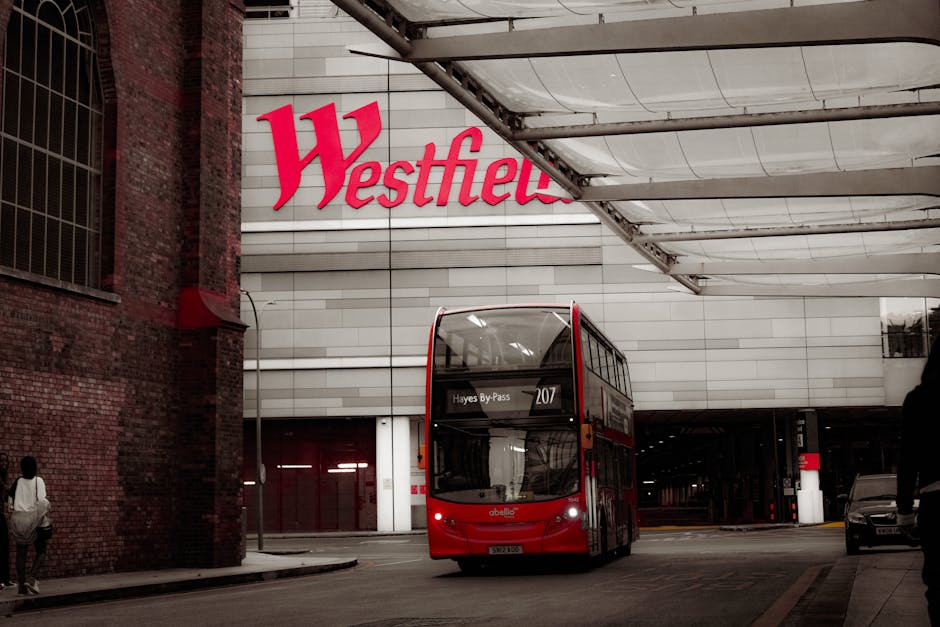
Shepherds Bush is a district in west London, within the London Borough of Hammersmith and Fulham, and is often understood through the contrast between its busy high street, residential side streets and large transport links. The area takes its name from a former common and has long been shaped by routes heading west into and out of central London. Today it combines older terraces, mansion blocks and post-war buildings with a commercial core centred on retail, entertainment and transport interchange. The Westfield London shopping centre has become one of the best-known landmarks in the district, standing beside a part of London that has seen repeated waves of redevelopment while still retaining a strong local character. Nearby, Shepherd's Bush Green serves as an open civic space at the centre of the district, while the surrounding streets contain pubs, independent shops, faith buildings and residential pockets that give the area a varied urban texture. Transport is a major feature of local life: the area is served by several Underground and rail connections, making it unusually well connected for inner west London, and this has helped support both commuting and commercial activity. Cultural life in and around Shepherds Bush has also been shaped by performance venues, television studios and the wider creative economy of west London. The result is a district that feels both highly urban and distinctly local, with a mix of older London forms and newer development sitting side by side.
Furniture, bulky items and careful lifting
Furniture removals call for patience rather than speed alone. Large wardrobes, beds, tables and shelving units may need to be measured, dismantled or wrapped before they are moved. Even sturdy pieces can suffer scuffs if corners are left exposed, and awkward items can be difficult to turn safely through narrow routes. The service is strongest when the item list is reviewed in advance so the lift, protection and loading plan all make sense together.
Heavy items deserve specific attention because they can affect the whole move if they are not handled in the right order. Sofas can block stair turns, mattresses need to be protected from dirt, and white goods may require care around hoses, doors and internal fixtures. If you only need support for the larger pieces, furniture pick-up can be relevant when individual items are being collected rather than a whole property being cleared.
Not every move requires the same level of dismantling. Some flat-pack items travel best after partial disassembly, while solid wood furniture may be better left intact if the route allows it. The practical question is always whether the item can be moved safely without adding unnecessary handling. That judgement keeps the service efficient and avoids creating extra work that does not improve the outcome.
Choosing between removal options

Customers often begin by deciding whether they need a full removals service or a lighter arrangement. A full service is useful when there are many items, fragile contents or a property that needs more structured support. A lighter option may suit a smaller move, a partial load or a straightforward collection. The important part is to choose the level of help that fits the work rather than trying to force every move into the same pattern.
Some people compare general pages such as removals, removal services and more specific options like removals near me before deciding what to request. That can be helpful if you are still working out whether you need domestic, commercial or mixed support. The names are similar, but the practical emphasis should be on the scope of your move, the access at each address and the handling that particular items require.
If you are ready to request a quotation, send the key details in one clear message and ask for the arrangement that suits your move best. A simple summary of rooms, furniture, access and dates gives a better result than a long general note. Request a quotation when you are ready, or use plain text to make an initial enquiry if you are still comparing options.
Commercial and specialist moving pages
Some moves need a more specific setup, especially when the load is shaped by the type of building or the kind of contents involved. For that reason, it can be useful to look at related service pages that reflect the task more closely. A residential move, a business relocation and a single-item collection all share transport needs, but the balance of packing, lifting and timing is different in each case.
Where an enquiry is centred on a single household or a small number of belongings, a smaller vehicle-based solution may be enough; where the move is larger, a fuller removals arrangement is more suitable. If you are comparing options for a compact load, man with van and man with van removal describe the kind of service many customers look for when they need practical help without unnecessary complexity.
For a wider business or domestic move, it is still worth thinking about item categories rather than only the address. Furniture, appliances, files and boxed goods all sit differently within a move plan. The more clearly those groups are separated in the quotation stage, the easier it becomes to match the right service and avoid confusion on the day.
Contacting us with the right details
To help shape a useful quotation, it is usually enough to outline the main items, the property type and any access points that may affect loading. If there are stairs, parking restrictions or pieces that need dismantling, include that in the first message. We can then look at the simplest workable arrangement and keep the move focused on what actually needs doing rather than making assumptions about the job.
Where a move is being planned in stages, you may also want to note whether packing, lifting or furniture handling is the main priority. That lets the service reflect the real work involved instead of treating every enquiry as identical. If you would like to discuss the details and compare the available options, the next step is simple: contact us for a quotation and outline what needs moving.
For pricing references, policy information or broader details about how the service is run, related pages such as pricing and quotes and insurance and safety can be useful supporting reading. They do not replace the quotation itself, but they can help you decide what to ask for and what information to have ready. A concise enquiry is usually the best starting point.